
Testosterone affects sexual function, fertility, muscle and bone health. Fatigue, low mood or disappointing training progress alone cannot establish a hormone deficiency. If symptoms persist, speak with your GP about appropriately timed blood tests. Training, sleep, nutrition and recovery remain worthwhile for health and performance, whatever the results show. [1,2]
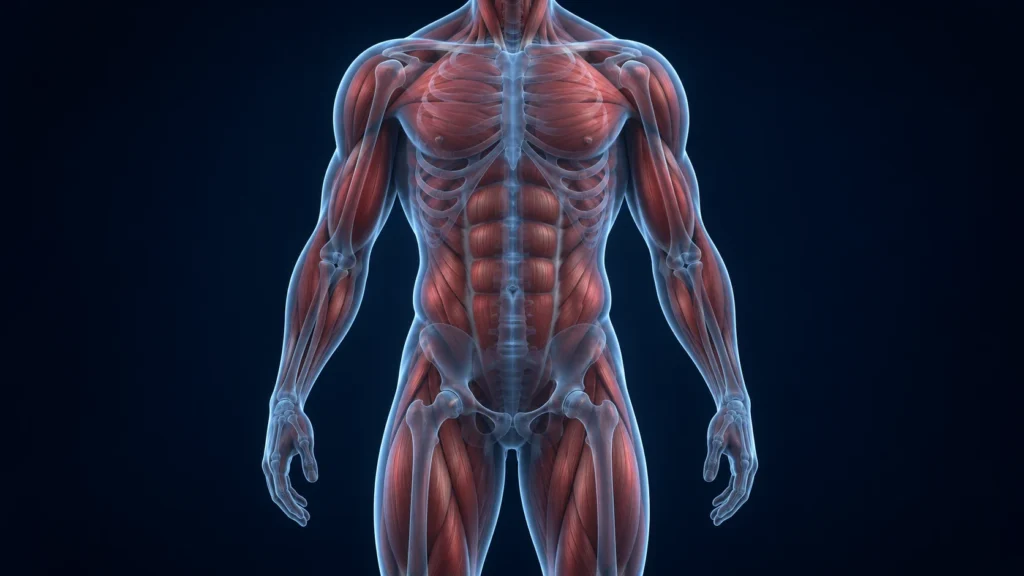
Testosterone is an androgen involved in libido, sexual function, sperm production, muscle and bone maintenance. It does not act alone. Some testosterone is converted to estradiol by aromatase and some to dihydrotestosterone, or DHT, by 5-alpha reductase. Sex hormone-binding globulin, or SHBG, affects how much testosterone circulates in bound and free forms. A single number therefore needs to be interpreted alongside symptoms, medical history and the testing method. [1,2]
Testosterone often declines gradually with age, but turning 30 does not mean a man has a hormone deficiency. The amount and pace vary, and obesity, type 2 diabetes, poor sleep, illness, medicines and problems involving the testes or pituitary can matter more than age alone. Men can also have symptoms with a normal testosterone result. The aim is to understand the whole picture rather than assume that every change in energy or physique is hormonal. [1,2,12]
Adequate testosterone supports libido and normal sexual function. In men with confirmed deficiency, reduced sexual desire, fewer spontaneous or morning erections and erectile difficulties can occur. Fertility also depends on a wider hormone system and testicular function; a testosterone result alone does not measure sperm health. [1,2,12]
Men with low testosterone may report low mood, irritability, fatigue, reduced motivation or difficulty concentrating. These symptoms are real but nonspecific: stress, depression, sleep disorders, medicines and other illnesses can look similar. Treating a confirmed deficiency may help some symptoms, but raising a normal testosterone level is not an established way to improve mood or mental performance. [1,2,12]

Testosterone helps maintain lean mass, bone density and red blood cell production. A sustained deficiency may be accompanied by reduced muscle bulk or strength, increased body fat, anaemia or weaker bones over time. Training quality, protein intake, energy balance and underlying health also influence these outcomes, so a change in body composition cannot identify the cause by itself. [1,12]
A study of American men reported a population-level decline in testosterone across observations from the late 1980s to the early 2000s. It was a US cohort finding, not a measure of men in Dublin or Ireland, and it cannot tell you why an individual feels unwell. Population trends are a reason to ask better questions, not a diagnosis. [3]

Persistent reduced libido, erectile changes, unexplained loss of strength, fertility concerns or other lasting symptoms merit a broader assessment. Sleep loss, medicines, illness and other health conditions may also contribute. The clinical diagnosis of testosterone deficiency requires compatible symptoms and consistently low measurements, rather than a social media checklist or one isolated result. [1,2]
The American Urological Association advises two early-morning total testosterone measurements on separate occasions when evaluating possible deficiency. Your clinician may consider SHBG and free testosterone where the total result is borderline or binding is altered. Luteinising hormone (LH) and follicle-stimulating hormone (FSH) can help distinguish testicular from pituitary or hypothalamic causes; other tests depend on the history and examination. Tell your GP about medicines, recent illness, disrupted sleep and fertility plans. [1,2]
Do not start testosterone on your own. External testosterone can suppress sperm production, an important consideration if you want to preserve fertility. [1,2]
Blood tests can help investigate a suspected hormone issue. When symptoms warrant assessment, two properly timed morning testosterone results help account for day-to-day variation. Depending on the clinical picture, your GP may check SHBG and free testosterone, LH and FSH, a full blood count or other markers to investigate possible causes and associated health concerns. The goal is to decide what needs attention, not to chase a single “optimal” number. [1,2]
A review every three to six months can be useful when a clinician is following a low or borderline result, assessing a change in symptoms, or monitoring treatment. Men starting prescribed testosterone therapy need structured follow-up: the Endocrine Society recommends testosterone and haematocrit checks at roughly three to six months, then at 12 months and annually; European guidance also schedules checks at three, six and 12 months in the first year. The exact interval and additional tests depend on treatment, risk factors and results. [1,2,13]
For a man over 30 who feels well and is not on treatment, routine testosterone blood tests every three to six months are not a general guideline recommendation. If you are changing your training, diet or sleep, track how you feel and perform; agree any repeat laboratory testing with your GP based on symptoms and medical history. [1,12]

Progressive resistance training helps build strength and improve body composition. Those benefits matter even if resting testosterone does not rise long term. A practical programme should match your current capacity and give you room to recover.

Make regular, sufficient sleep a priority. Experimental sleep studies have reported differing hormone responses to restriction, so one poor night does not establish testosterone deficiency. Persistent fatigue deserves a wider look at sleep, stress, health and training load. [6,7]

Eat enough to support the work you ask your body to do. Where relevant, gradual fat loss may help men with obesity, while aggressive restriction can make training and recovery harder. Deficiencies should be assessed and corrected appropriately. These habits support health; none replaces clinical assessment when symptoms persist. [1]
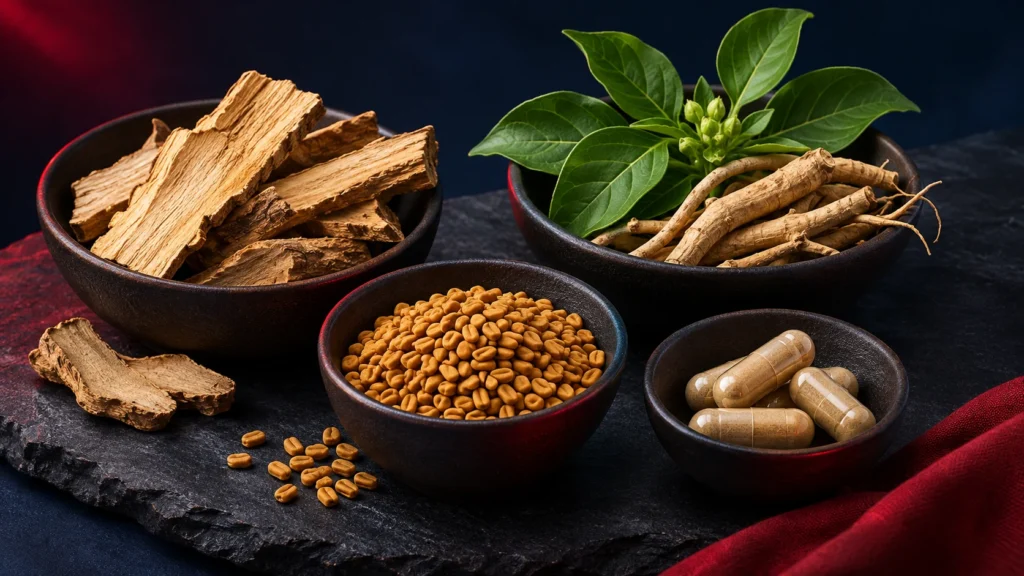
Some supplements have a genuine research signal, but the evidence differs by ingredient, dose, extract and the men studied. A rise in total or free testosterone on a blood test is not automatically a meaningful improvement in libido, energy, strength or fertility. Supplements also do not replace assessment and treatment of diagnosed hypogonadism. [1,4,5]
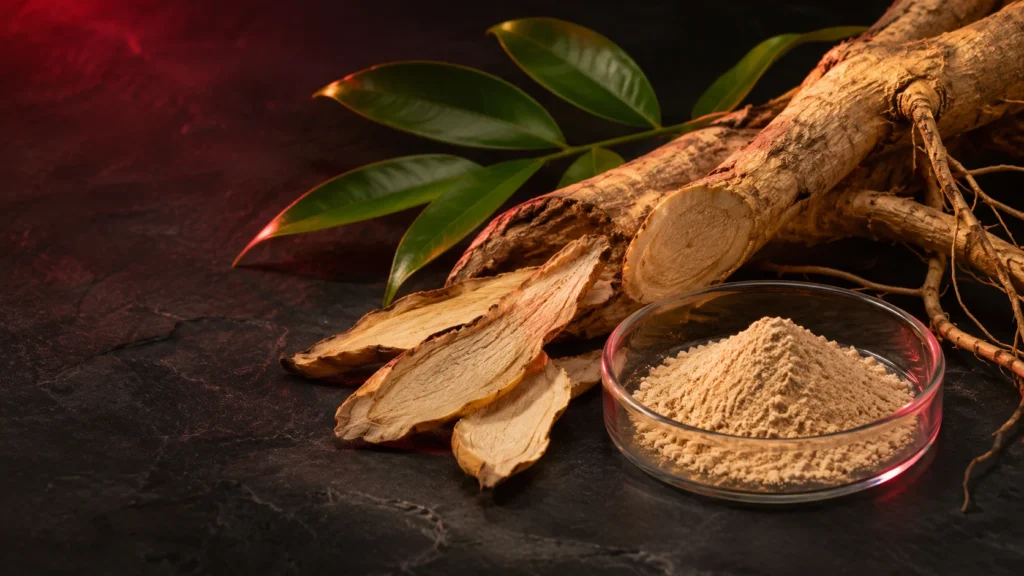
Tongkat Ali (Eurycoma longifolia) has some of the more promising human evidence among herbal products. A review of trials reported increases in total testosterone, although the studies were small and varied in their extracts and populations. In one placebo-controlled study of 32 healthy young men, 600 mg daily for two weeks increased measured total and free testosterone compared with placebo. Other studies have not consistently shown a free-testosterone effect. Those results justify further study, but they do not establish that any retail product will produce the same change or improve symptoms in a man with normal levels. [14,15]
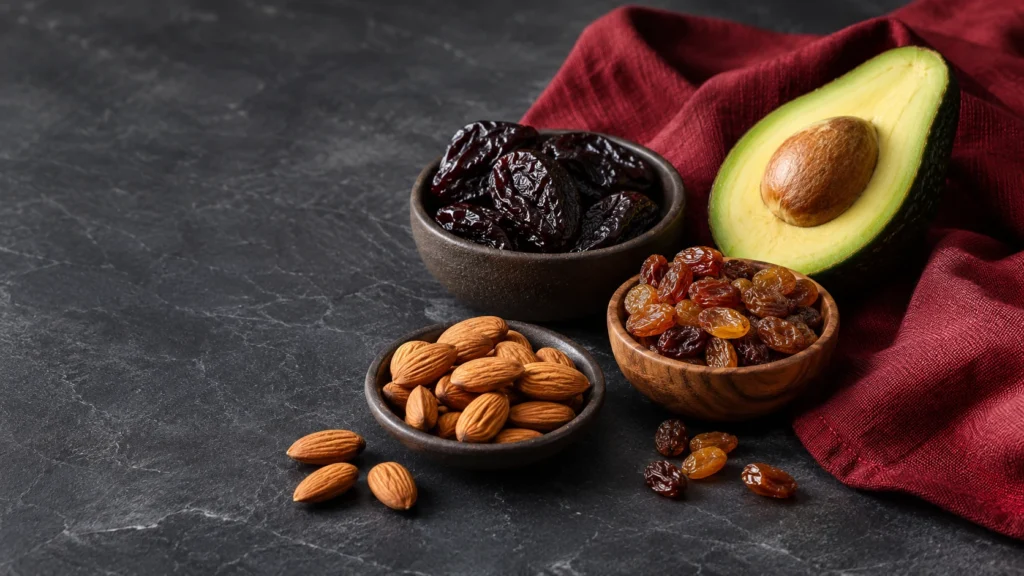
Boron may affect SHBG and the balance between bound and free testosterone. A one-week study of eight healthy men using 10 mg daily reported higher free testosterone and lower estradiol; SHBG also fell during the acute measurements. That is a useful signal, but the study was very small, short and lacked the kind of placebo-controlled follow-up needed to establish a dependable benefit. A separate placebo-controlled study in young bodybuilders found no effect on testosterone, lean mass or strength with 2.5 mg daily over seven weeks. The European adult upper limit for boron is 10 mg per day from all sources, so the positive study’s dose is not a casual recommendation. [16–18]
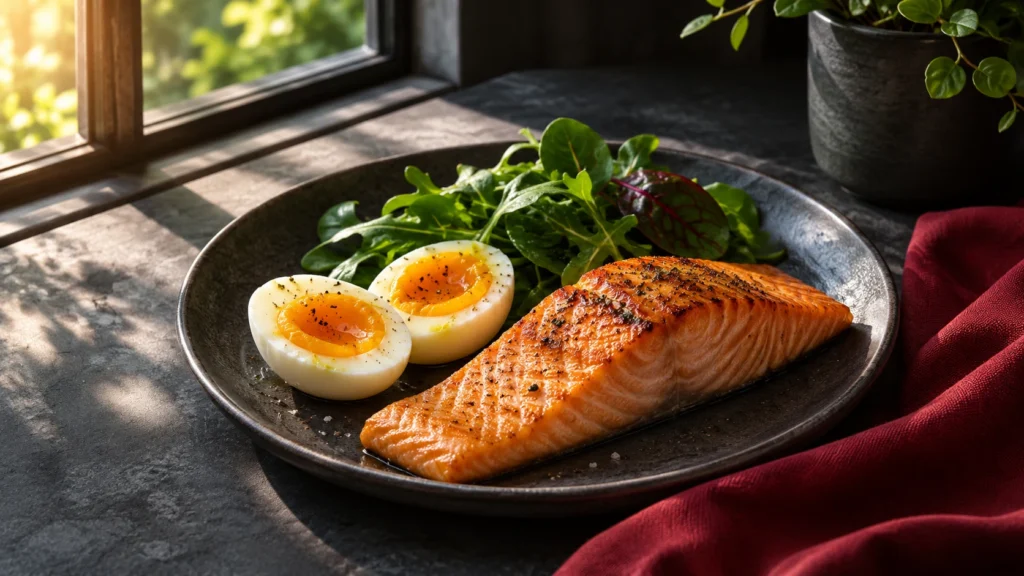
Vitamin D3 is worth addressing when bloodwork shows a low vitamin D level, particularly for bone and general health. An earlier trial in overweight men undergoing weight loss reported increases in total and free testosterone with vitamin D, but other randomised trials did not reproduce a clear hormone benefit. A recent synthesis of randomised trials found no consistent effect on total testosterone or androgen bioavailability. Vitamin K2 has an interesting biological rationale from animal work, but human evidence has not established that K2, alone or paired with D3, raises testosterone. K2 also requires special care for anyone taking warfarin or a similar anticoagulant. [19–23]
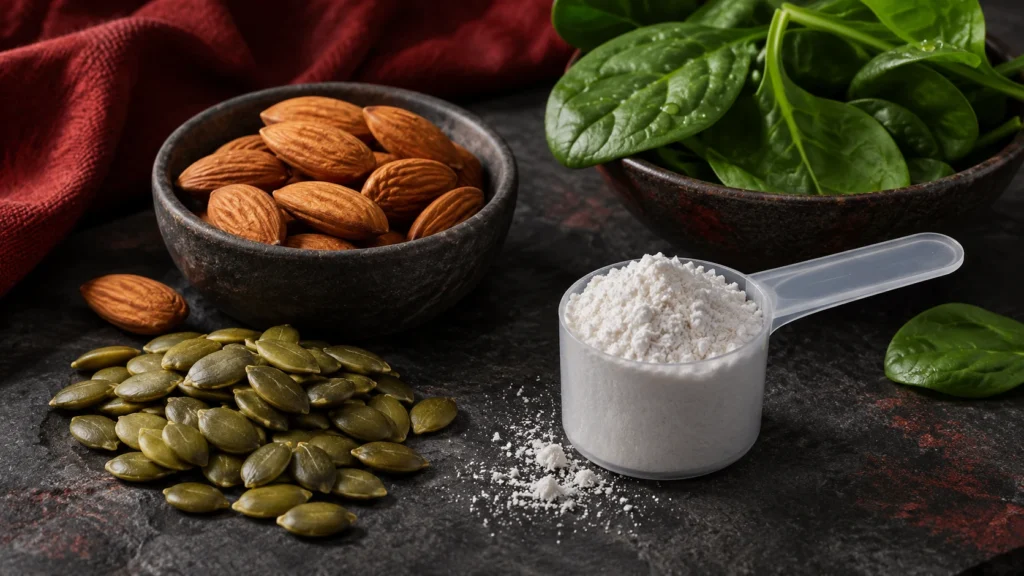
Magnesium supports normal muscle and nerve function, and inadequate intake is worth correcting. One controlled study in athletes and sedentary young men reported increases in free and total testosterone after four weeks of magnesium supplementation, especially alongside exercise. It does not show that a higher dose is better for middle-aged men with adequate intake. A label may list the weight of a magnesium compound or the actual elemental magnesium: it is the elemental amount that matters when comparing intake and limits. The European upper limit for supplemental magnesium from readily dissociable salts is 250 mg per day; it does not count magnesium naturally present in food. Higher supplemental amounts may cause diarrhoea and deserve clinician oversight, particularly with kidney disease. [10,24,25]
The CMB testosterone guide lists source-study amounts for context, not as a prescription. Some vitamin D3, zinc, boron and magnesium amounts may exceed established adult limits or require individual assessment. Discuss supplements, medicines, blood results and fertility plans with your GP before building a high-dose stack. [8–11,18,23,25]

Cold exposure, sauna, red light and other popular practices may appeal for personal wellbeing. The evidence does not establish a routine protocol that reliably raises testosterone. Use them according to your health and preferences, with suitable precautions, rather than treating them as hormone therapy.
Notice what has changed and for how long. Discuss persistent symptoms and testing with your GP, then interpret any repeat results in context. At CMB Gym in Dublin 2, we build progressive strength training around the person in front of us, with attention to nutrition, sleep, recovery and the demands of a busy schedule. If you want structured coaching, contact CMB Gym to discuss personal training.
This article is educational and is not a diagnosis or treatment plan. Discuss symptoms, testing, supplements and fertility goals with a qualified healthcare professional.
[1] Bhasin S et al. Testosterone Therapy in Men With Hypogonadism. Endocrine Society Clinical Practice Guideline. JCEM. 2018. doi:10.1210/jc.2018-00229
[2] American Urological Association. Evaluation and Management of Testosterone Deficiency. J Urol. 2018. doi:10.1016/j.juro.2018.03.115
[3] Travison TG et al. A Population-Level Decline in Serum Testosterone Levels in American Men. JCEM. 2007. doi:10.1210/jc.2006-1375
[4] Balasubramanian A et al. Evidence for ingredients in male testosterone supplements. World J Mens Health. 2020. PMID:32358510
[5] Smith SJ et al. Examining effects of herbs on testosterone. Adv Nutr. 2021. PMID:33150931
[6] Leproult R, Van Cauter E. One week of sleep restriction. JAMA. 2011. doi:10.1001/jama.2011.710
[7] Reynolds AC et al. Randomized studies of acute and chronic short sleep. Sleep Health. 2019. PMID:31416797
[8] NIH ODS. Vitamin D Fact Sheet. ods.od.nih.gov/factsheets/VitaminD-HealthProfessional/
[9] NIH ODS. Zinc Fact Sheet. ods.od.nih.gov/factsheets/Zinc-HealthProfessional/
[10] EFSA. Tolerable Upper Intake Levels. efsa.europa.eu/sites/default/files/assets/UL_Summary_tables.pdf
[11] NCCIH. Herbs and medicines. nccih.nih.gov/health/tips/tips-how-herbs-can-interact-with-medicines
[12] Endocrine Society. Hypogonadism in Men. endocrine.org/patient-engagement/endocrine-library/hypogonadism
[13] EAU. Male Hypogonadism guideline. uroweb.org/guidelines/sexual-and-reproductive-health/chapter/male-hypogonadism
[14] Eurycoma longifolia systematic review and meta-analysis. Medicina. 2022. PMID:36013514
[15] Eurycoma longifolia reproductive hormone trial in young men. PMID:33559971
[16] Naghii MR et al. Boron and steroid hormones in eight men. J Trace Elem Med Biol. 2011. PMID:21129941
[17] Ferrando AA, Green NR. Boron supplementation in male bodybuilders. Int J Sport Nutr. 1993. PMID:7889885
[18] EFSA. Summary of Tolerable Upper Intake Levels, boron. efsa.europa.eu/sites/default/files/assets/UL_Summary_tables.pdf
[19] Pilz S et al. Vitamin D and testosterone in men. Horm Metab Res. 2011. PMID:21154195
[20] Lerchbaum E et al. Vitamin D and testosterone in healthy men, randomised trial. JCEM. 2017. PMID:28938446
[21] Vitamin D and androgen bioavailability meta-analysis of randomised trials. PMID:42451097
[22] Ito A et al. Menaquinone-4 and testosterone in rats and cells. Lipids Health Dis. 2011. PMID:21914161
[23] NIH ODS. Vitamin K Fact Sheet, anticoagulant interactions. ods.od.nih.gov/factsheets/VitaminK-HealthProfessional/
[24] Cinar V et al. Magnesium and testosterone in athletes and sedentary men. Biol Trace Elem Res. 2011. PMID:20352370
[25] NIH ODS. Magnesium Fact Sheet. ods.od.nih.gov/factsheets/Magnesium-HealthProfessional/
Connect one-on-one to discuss your unique fitness needs and goals.
Connect one-on-one to discuss your unique fitness needs and goals.
€60 consultation charge.
24 hours cancellation notice required.





Book your consultation with our expert team, and we’ll design a results-focused training program tailored specifically to your goals.
Mon - Fri : 7:00am to 9.00pm
Sat : 9.00am to 1.00pm
Sun & Bank Holidays : Closed